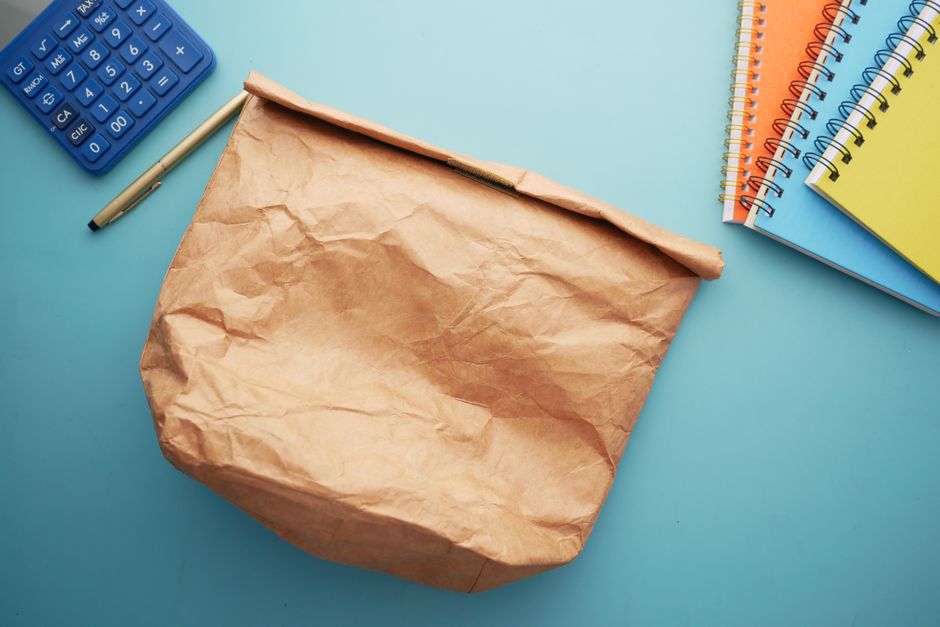
As the evening settles in, the entryway chair becomes a cluttered reminder of the day’s chaos. A half-opened bag lies on the floor, spilling out work papers and a forgotten lunch container. The planner, which should have mapped out the evening’s puzzle-solving session, remains closed on the table, a missed opportunity for a smooth transition into relaxation. With the clock ticking, the urge to dive into a puzzle is overshadowed by the lingering presence of work clothes still clinging on, a reminder of the long day just past.
In this moment, the simple act of checking the weather on the phone could shift the evening’s flow. Instead, it often gets overlooked amidst the flurry of tidying up. The keys, resting on the entryway table, serve as a visual cue for the next step but are easily ignored until they’re needed. As the evening routine drags on, these small, hidden tasks accumulate, creating friction that derails the intended relaxation. Each overlooked detail, from the unzipped bag to the closed planner, pulls focus away from the calming ritual of puzzle-solving, making it harder to settle into that cherished evening routine.
The Overlooked Setup at the Doorstep
As the evening settles in, the entryway becomes a flurry of activity. A parent, juggling keys and a notebook, prepares to leave for evening activities while glancing at the closed planner on the table. The planner, often a lifeline for organizing tasks, remains untouched, signaling forgotten responsibilities. This moment, just before stepping out, is crucial; the keys should be placed in a designated spot to ensure they’re easily accessible later, but they often end up tossed haphazardly on the counter instead.
With the clock ticking, the transition to relaxation feels increasingly elusive. The work clothes still clinging to the parent’s frame serve as a reminder of the day’s demands, creating a mental barrier to settling into the evening’s puzzle-solving routine. As they reach for the phone to check the weather, the act of doing so becomes a missed opportunity, overshadowed by the rush of gathering items. The bag, unzipped and half-packed, holds the potential for a smoother evening, yet it remains a source of clutter. Each overlooked detail, like the closed planner and misplaced keys, adds to the friction that can derail the evening’s intended flow, making it difficult to shift gears into the calming ritual of puzzle-solving.
The Moment the Routine Slips
As the clock edges closer to evening, the entryway chair becomes a silent witness to the chaos of transition. The parent, still dressed in work clothes that cling uncomfortably, feels the weight of the day pressing down. Each minute spent in these clothes heightens the frustration, making it harder to shift into the evening's puzzle-solving routine. The lingering fabric serves as a reminder of unfinished tasks, creating a mental barrier that hinders relaxation.
With the bag half-packed and the planner closed on the table, the parent rushes to gather items, feeling the pressure mount. The keys, usually placed in a designated spot for easy access, are instead tossed haphazardly onto the counter, adding to the clutter. In this flurry, the simple act of checking the weather slips through the cracks, a missed opportunity to prepare for the evening. Instead of a calm transition, the rush leads to a sense of urgency that spills over into the time meant for unwinding.
As the parent finally zips the bag, a small sigh escapes. The evening routine is already feeling compromised, and the unaddressed details—like the closed planner and misplaced keys—compound the tension. The hope for a relaxing puzzle-solving session dims as the realization sets in: a few overlooked steps can derail the entire evening. The work clothes remain, a tangible reminder that the shift to relaxation requires more than just physical space; it demands a mental reset that feels increasingly out of reach.
Checklist of Hidden Friction Points
During the evening rush, it's easy to overlook small tasks that can disrupt your puzzle-solving time. As you juggle picking up the kids and preparing dinner, several friction points can slip through the cracks, leaving you feeling unprepared for relaxation.
- Not checking the weather before heading out can lead to poor planning; arriving home soaked from an unexpected rain shower adds stress when you just want to unwind.
- Forgetting to set out comfortable clothes for the evening means you’re stuck in work attire, making it harder to shift your mindset from work to relaxation.
- Leaving the puzzle materials in a cluttered state—like a jumbled pile on the entryway chair—makes it difficult to engage with them later, turning what should be a calming activity into a chore.
Good intentions often fall short when hidden tasks accumulate unnoticed. The planner remains closed on the table, and the bag isn’t fully reset, which means you miss the chance to check off these small but essential steps. Each overlooked detail compounds the tension, making the transition to a peaceful evening puzzle-solving session feel increasingly out of reach.
Revising the Evening Sequence
A slightly different version of this problem appears in Everyday Life In The, where the sequence changes but the hidden drag feels familiar.
When the evening rolls around, the entryway chair often becomes a cluttered catch-all for work clothes and bags. If you leave your puzzle materials tucked away in a drawer or hidden under a pile of jackets, it creates an unnecessary barrier to relaxation. Instead, placing your puzzle box directly on the chair where you can see it serves as a visual cue, prompting you to engage with it once you’re home. This simple act can shift your mindset, making it easier to transition from the chaos of the day to the calm of puzzle-solving.
A quick evening checklist can also help streamline your routine. Before heading out for pickup, take a moment to jot down three essential tasks: check the weather, set out comfortable clothes, and ensure your puzzle materials are ready. This checklist should be placed on the entryway table, right next to your planner. By doing this, you create a small but effective system that minimizes the chances of overlooking these tasks. Each step is designed to take only a minute or two, but together they significantly reduce the friction of getting settled into your evening.
As you move through this sequence, consider that the small adjustments can lead to a smoother transition into your relaxation time. If you find yourself still in work attire, it’s harder to shift gears mentally. But with your puzzle materials visible and a checklist guiding you, the path to a peaceful evening becomes clearer. This way, you can reclaim the joy of puzzle-solving without the nagging feeling of unfinished tasks lingering in the background.
Carrying the Adjustment Forward
If this pattern keeps repeating, Daily Routines Real Life extends the idea without leaving the niche.
When you set your puzzle materials out on the entryway chair right after dinner, it creates an immediate invitation to engage. Instead of feeling the weight of unfinished tasks, you can transition smoothly into your evening puzzle-solving routine. The act of placing your favorite puzzle book and a few colored pencils visibly in the entryway not only serves as a reminder but also eliminates the friction of searching for them later.
As you take a moment to check the weather on your phone, you can also glance at your planner, which remains open on the table. This simple visual cue helps you mentally shift gears from the busyness of the day to a more relaxed evening mindset. You might notice that you’re less rushed and more inclined to savor the time spent solving puzzles, rather than feeling like you need to squeeze it in before bed.
With your puzzle materials easily accessible and your work clothes finally swapped for something comfortable, the evening feels less like a race against the clock. This small adjustment not only enhances your immediate relaxation but also sets a precedent for future evenings. As you settle in with your puzzle, you can appreciate that the daily reset has made a tangible difference, allowing you to reclaim the joy of solving without the distraction of earlier tasks lingering in your mind.
As you glance at the entryway chair, take a moment to notice if your work clothes are still clinging to you longer than they should. This simple check can be the difference between a rushed transition and a smooth shift into your evening routine. By swapping into something comfortable right away, you signal to your mind that it’s time to unwind and engage with your puzzle.
Consider placing your puzzle materials in a visible spot, perhaps on the coffee table or near your favorite chair. This way, they become an inviting part of your evening setup, rather than an afterthought. With the planner open and your clothes changed, you create a seamless flow from the day’s demands to the relaxation of puzzle-solving. The next time you step into your evening, remember that these small adjustments can keep hidden tasks from derailing your routine.