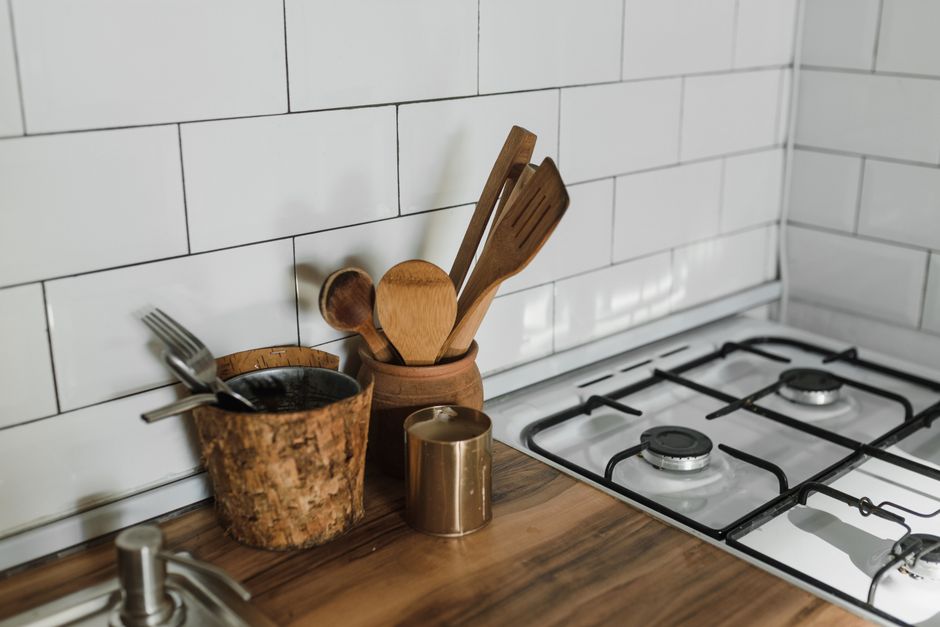
Standing at the kitchen counter during a typical weekday morning, I glance at the pile of dirty dishes stacked in the sink. The lunch container I meant to pack for work is buried beneath yesterday's leftovers, and the clutter on the counter makes it impossible to set up my puzzle for a quick morning session. I had planned to unwind with a few pieces before heading out the door, but the chaos of breakfast triage pulls me in different directions. As I shuffle between rinsing the container and toasting bread, I can feel the relaxation I hoped to gain from puzzle solving slipping away.
Each morning, the same friction points emerge, creating a barrier to my intended routine. The alarm clock, set across the room, forces me to rise and navigate through the mess before I can even think about my puzzles. I often skip the check of my puzzle setup, leaving it buried under a pile of mail or kitchen gadgets. By the time I’m ready to leave, I realize I’ve spent more time managing the clutter than engaging in the very activity meant to help me reset for the day. This cycle of distractions and missed steps not only disrupts my morning but also adds to the stress I’m trying to alleviate.
The Morning Routine That Should Work
Waking up to the sound of my alarm, I resist the urge to hit snooze and instead swing my legs over the edge of the bed. The first step is crucial: placing the alarm clock across the room ensures I have to physically get up. This small action sets the tone for my morning, but it also means I’m immediately faced with the clutter of my entryway chair, where bags and jackets pile up. I mentally note that I need to clear that space later.
As I head to the kitchen, I aim to prepare breakfast while simultaneously setting up my puzzle on the counter. Ideally, I would lay out the puzzle pieces next to the toaster, but the counter is cluttered with dirty dishes, including my lunch container still soaking in the sink. This mess disrupts my flow; I can’t easily access the space I need for my puzzle. Instead of unwinding, I find myself rinsing dishes and clearing the counter, which adds unnecessary steps to my morning.
After I finally manage to toast my bread and set out my puzzle, the sequence feels off. I should have prepped the puzzle the night before as part of my evening routine. Instead, I’m left shuffling between breakfast and cleaning, with my puzzle pieces waiting for attention. Before I leave the room, I make a quick check: did I set the puzzle up correctly? I glance at the pieces, but the chaos around me makes it hard to focus. I realize that without a clear order of operations, my intended relaxation through puzzle solving is lost in the shuffle of breakfast triage.
Where the Routine Breaks First
If this pattern keeps repeating, Everyday Life In The extends the idea without leaving the niche.
The moment I hear the alarm blaring from across the room, I know it's time to start my day. Yet, as I shuffle to silence it, I’m immediately bombarded by notifications flashing on my phone. Each buzz pulls my attention away from the singular goal of enjoying my morning puzzle. Instead of focusing on relaxation, I find myself scrolling through messages and emails, which only adds to the mental clutter.
Once I finally make it to the kitchen, the scene is less than inviting. Dirty dishes pile up in the sink, and the counter is littered with remnants from last night’s dinner. The lunch container, still soaking, is a glaring reminder of my evening routine's slip. This chaos makes it nearly impossible to set up my puzzle without feeling overwhelmed. I glance at the clock, realizing that every minute spent cleaning is a minute lost from my intended puzzle time.
To regain control, I decide to prioritize my setup. I grab a dish towel and quickly wipe down a small section of the counter, clearing just enough space to lay out my puzzle. Before I leave the kitchen, I perform a quick check: have I set everything out? The pieces are still scattered in their box, and I almost forget to grab my favorite coffee mug, which I always use while solving. This small snag, a forgotten item in my routine, becomes the first visible sign of drift, indicating that my weekday mornings need a tighter structure to avoid the distractions that disrupt my relaxation.
Why This Failure Repeats
This same friction shows up again in Daily Routines Real Life, especially when the day tightens unexpectedly.
The kitchen counter often resembles a battlefield of dirty dishes, remnants of hurried meals and forgotten cleaning tasks. This clutter not only takes up valuable space but also creates a mental barrier to starting my puzzle-solving routine. Each morning, I find myself navigating around the mess, which adds unnecessary steps before I can even think about laying out my puzzle pieces.
- Notifications from my phone buzz incessantly, pulling my attention away from the task at hand. I find myself checking messages instead of focusing on my puzzle setup.
- As I prepare breakfast, I realize the lunch container is still soaking in the sink, an unexpected reminder that I need to multitask just to clear a space for my puzzle.
- In the rush, I often forget to check if I set out my favorite puzzle mat, which means I’m left scrambling for it at the last minute.
This hidden friction of clutter and distractions creates a ripple effect, pushing my puzzle time further down the list of priorities. The tradeoff becomes clear: I can either clean up the counter or dedicate those minutes to my puzzle, but I can’t do both effectively. Each morning, this same scenario plays out, reminding me that a more structured approach is necessary to reclaim my relaxation time.
A Small Correction That Holds Up
Setting the alarm across the room can be a game changer. This simple adjustment forces you out of bed, reducing the temptation to scroll through your phone first thing in the morning. Instead of getting lost in notifications, you’ll find yourself moving into the kitchen, where the day’s first friction point often lies.
Each evening, I take a few minutes to clear the kitchen counter, ensuring it’s ready for breakfast and my puzzle setup. If I skip this step, I’m met with dirty dishes and clutter, making it difficult to focus. The lunch container, still soaking in the sink, serves as a constant reminder of the chaos that can spill into my morning routine. By making this small correction the night before, I create a clean workspace that invites relaxation rather than stress.
Before I leave the apartment, I now check that my favorite puzzle mat is laid out and the counter is clear. This quick routine check not only streamlines my morning but also sets a positive tone for my puzzle-solving time later in the day. The friction of a messy counter is replaced by the satisfaction of a prepared space, allowing me to reclaim those moments meant for relaxation.
One Check Before Leaving the Room
Standing at the kitchen counter, I often glance at the clutter that accumulates overnight. The dishes piled high in the sink, including my lunch container, are a stark reminder of how easily a simple breakfast can turn chaotic. Before I even begin my morning routine, this visual cue prompts a quick mental checklist: is the counter clear enough to set up my puzzle pieces? If I skip this check, I risk starting my day in disarray, which can derail my puzzle-solving time later.
As I prepare breakfast, I make it a habit to scan the counter for any lingering items. This small action—checking for clutter—takes mere seconds but has a significant impact. If I see dirty plates or leftover food containers, I take a moment to clear them away. This not only creates a clean space for my breakfast but also sets the stage for my puzzle setup. I find that when I lay out my puzzle mat and organize the pieces right after breakfast, I minimize the time spent fumbling with the setup later in the day.
By incorporating this quick check before leaving the kitchen, I ensure that my routine remains consistent. It’s a small adjustment, but it reinforces my commitment to a relaxing puzzle-solving experience. The counter, once a source of friction, transforms into a welcoming workspace, ready for the day ahead. This simple act of tidying up not only clears physical space but also clears my mind, allowing for a smoother transition into the relaxation I seek through puzzles.
What Becomes Easier After the Correction
Once the kitchen counter is cleared and the dishes are put away, the whole atmosphere shifts. I can finally focus on my breakfast without the nagging distraction of dirty plates lingering in the sink. The lunch container, which usually sits forgotten in the basin, is now tucked away neatly in the fridge. This small change transforms my morning routine, allowing me to savor each bite of my meal while mentally preparing for the puzzle session ahead.
With a clean workspace, I find that I have more time to enjoy both my breakfast and the puzzle experience. Instead of rushing through my meal, I can take a moment to appreciate the flavors and textures, which sets a more relaxed tone for the day. I’ve noticed that when I take a few extra minutes to enjoy my food, I’m less likely to feel frazzled when I finally sit down to work on my puzzle.
As I finish breakfast, I can easily transition into my daily reset. I pull out my puzzle mat from the drawer, laying it out on the counter without any clutter in the way. This simple act of preparation makes the next time block feel seamless. I no longer have to scramble to find pieces or clear space, which means I can dive right into solving without unnecessary friction. The difference is palpable; I’m not just completing a routine, I’m genuinely engaged in the relaxation that puzzle solving brings.
As I prepare to leave the house, I glance at the entryway chair where my bag sits, ready for the day. I remember to check the lunch container, still resting in the sink. This small oversight can disrupt my entire morning routine, forcing me to rush and skip my puzzle time. A quick check before I step out ensures I have everything I need, allowing me to feel organized and ready.
Setting my alarm across the room has become a crucial part of my morning. It forces me to get up and move, breaking the cycle of lingering in bed. This simple act not only helps me start my day but also sets a tone for a more mindful approach to my weekday routine. By addressing these friction points, I can maintain a smoother path to enjoying my puzzles, ensuring that relaxation remains a priority amidst the chaos of the morning.
